Informasi

Program Learning Outcomes


Program Learning Outcomes (PLO)

The Program Learning Outcomes (PLO) represent the core competencies, encompassing knowledge, skills, and attitudes, that every graduate of the S1 Educational Management Study Program must possess. These PLOs are systematically designed to meet the demands of the job market, advancements in science, and alignment with the study program's vision and mission.

1. Detailed Program Learning Outcomes (PLO)

No. PLO Description
PLO-1 Graduates master educational management theory and are skilled in managing resources that refer to educational regulations and policies.
PLO-2 Graduates are able to design, implement, and evaluate educational programs that possess value of sustainability and wide benefit.
PLO-3 Graduates are able to apply the principles of good governance to improve organizational performance oriented towards effective public service.
PLO-4 Graduates are able to apply organizational theory to manage organizational dynamics in a democratic and inclusive manner.
PLO-5 Graduates are able to apply educational leadership theory to inspire, direct, motivate, guide others or work teams, and make effective and accountable decisions.
PLO-6 Graduates are able to apply technology in the field of educational management in an adaptive and responsible manner to improve the quality of educational services.
PLO-7 Graduates are able to conduct research to solve educational management and community problems critically and innovatively.

These seven PLOs form a comprehensive profile for graduates, balanced across managerial abilities (PLO-1, PLO-2, PLO-3), organizational leadership (PLO-4, PLO-5), and adaptive and innovative skills (PLO-6, PLO-7).

2. PLO Structure Identification: Ability, Subject Matter, and Context

To ensure effective implementation and measurement, each PLO is analyzed based on its core components: Ability (Behavior), Subject Matter, and Context.

PLO PLO Statement Ability (Behavior) Subject Matter Context
PLO-1 Graduates master educational management theory and are skilled in managing resources that refer to educational regulations and policies. Mastering and Skilled Management/Administration Theory, Educational Resources Referring to educational regulations and policies
PLO-2 Graduates are able to design, implement, and evaluate educational programs that possess value of sustainability and wide benefit. Designing, Implementing, and Evaluating Educational Programs Possessing value of sustainability and wide benefit
PLO-3 Graduates are able to apply the principles of good governance to improve organizational performance oriented towards effective public service. Applying Principles of Good Governance Effective public service
PLO-4 Graduates are able to apply organizational theory to manage organizational dynamics in a democratic and inclusive manner. Applying Organizational Theory Organizational dynamics in a democratic and inclusive manner
PLO-5 Graduates are able to apply educational leadership theory to inspire, direct, motivate, guide others or work teams, and make effective and accountable decisions. Applying Educational Leadership Theory To inspire, direct, motivate, guide others or work teams, and make effective and accountable decisions
PLO-6 Graduates are able to apply technology in the field of educational management in an adaptive and responsible manner to improve the quality of educational services. Applying Technology in the field of educational management Adaptive and responsible for improving the quality of educational services
PLO-7 Graduates are able to conduct research to solve educational management and community problems critically and innovatively. Researching and Problem Solving Research Critically and innovatively

Curriculum


Educational Management S1 Study Program Curriculum

The Undergraduate (S1) Educational Management (MP) Study Program, under the Faculty of Educational Sciences (FIP) at Yogyakarta State University (UNY), presents its latest curriculum designed to address complex 21st-century challenges, ranging from digital transformation to the demand for governance accountability. This curriculum is a refinement of the 2015 Curriculum and is built upon the foundation of Outcome-Based Education (OBE), ensuring that graduates not only master theory but are also practically ready and adaptable to the needs of the working world.

Program Information

Aspect Detail Source Document
Graduate Degree Sarjana Pendidikan (S.Pd.) Referring to the context of S1 educational study programs (FIP) in Indonesia.
BAN-PT Accreditation Rank A  
International Accreditation ASIC (Premier Institution)  
Ideal Study Duration 8 Semesters (4 Years) Implicit from the course distribution per semester.
Total Credit Units (SKS) 146 SKS (Based on Pattern 512 distribution) Calculated from the total SKS across semesters 1-8.

Curriculum Structure and Course Distribution

1. Curriculum Structure

University Compulsory Courses (MKU)

No. Code Course Name SKS T P L
1 MKU6201 Islamic Religious Education* 2 2    
2 MKU6202 Catholic Religious Education*    
3 MKU6203 Protestant Christian Religious Education*    
4 MKU6204 Hindu Religious Education*    
5 MKU6205 Buddhist Religious Education*    
6 MKU6206 Confucian Religious Education*    
7 MKU6207 Civic Education 2 2    
8 MKU6208 Pancasila 2 2    
9 MKU6209 Indonesian Language 2 2    
10 MKU6211 English Language 2 2    
11 MKU6212 Digital Transformation** 2 2    
12 MKU6213 Creativity, Innovation, and Entrepreneurship** 2 1 1  
13 MKU6614 Student Community Service (KKN) 6     6
14 MKU6218 Inclusive Education 2 2    
Total 22 16 1 6

* choose one according to the religion adhered

** competencies adapted to the characteristics of the study program

Faculty Compulsory Courses (MKF) Faculty of Educational Sciences

No. Code Course Name SKS T P L
1 FIP6201 Introduction to Educational Philosophy 2 2    
2 FIP6202 National Educational Innovation 2 2    
3 FIP6203 Comparative Education 2 2    
4 FIP6204 Statistics 2 2    
Total 8 8 0 0

Educational Development Courses (MKPP)

No. Code Course Name SKS T P L
1 PAP6325 Educational Management Research Methodology 3 3    
2 PAP6845 Final Project Thesis 8     8
Total 11 3 0 8

Basic Educational Courses

No. Code Course Name SKS T P L
1 MDK6201 Science of Education 2 2    
2 MDK6202 Educational Psychology 2 2    
3 MDK6203 Educational Management 2 2    
4 MDK6204 Sociology and Anthropology of Education 2 2    
Total 8 8 0 0

Micro-Learning and Non-Teaching Field Introduction Courses

No. Code Course Name SKS T P L
1 PEN6201 OLMP (Educational Management Field Orientation) 2     2
2 PEN6601 Educational Practice 6     6
Total 8 0 0 8

Educational Management Science Courses

*** Courses that can be taken by students from outside the S1 Educational Management Study Program from within and outside UNY.

2. Course Distribution Pattern 512

Pattern 512: 5 SKS in other UNY Study Programs, 1 SKS outside UNY (Total 6 SKS MBKM)

Semester 1 - 22 SKS

No. Code Course Name SKS T P L
1 PAP6203 Scientific Writing 2 1 1  
2 MDK6201 Science of Education 2 2    
3 MKU6207 Civic Education 2 2    
4 PAP6301 Administration and Educational Management Theory*** 3 3    
5 FIP6201 Introduction to Educational Philosophy 2 2    
6 FIP6202 National Educational Innovation 2 2    
7 PAP6206 System Theory and Approach 2 2    
8 PAP6308 Educational Organization*** 3 3    
9 PAP6405 Educational Management ICT 2 2    
10 MKU620X Religious Education* (Choose One) 2 2    
Total 22 21 1 0

Semester 2  - 22 SKS

No. Code Course Name SKS T P L
1 MDK6203 Educational Management 2 2    
2 MKU6208 Pancasila 2 2    
3 MKU6209 Indonesian Language 2 2    
4 MDK6204 Sociology and Anthropology of Education 2 2    
5 PAP6204 Curriculum and Learning 2 2    
6 PAP6215 Educational Facilities Management 2 2    
7 PAP6413 Educational Institution Office Management 2 2    
8 PAP6218 Educational Public Relations 2 2    
9 PAP6214 Economics of Education 2 2    
10 MKU6211 English Language 2 2    
11 FIP6203 Comparative Education 2 2    
Total 22 22 0 0

Semester 3 - 21 SKS

No. Code Course Name SKS T P L
1 PAP6223 Curriculum Management 2 2    
2 MKU6218 Inclusive Education 2 2    
3 MKU6212 Digital Transformation** 2 2    
4 PAP6209 Library Management 2 2    
5 MDK6202 Educational Psychology 2 2    
6 PAP6230 Education Financing 2 2    
7 PAP6207 Student Management 2 2    
8 PAP6202 Educational Database Management System 2 1 1  
9 PAP6237 Educational Supervision 2 2    
10 PAP6312 Educational Human Resource Management 3 3    
Total 21 20 1 0

Semester 4 - 21 SKS

No. Code Course Name SKS T P L
1 PAP6210 Management Information System 2 2    
2 PAP6338 Educational Policy*** 3 3    
3 PAP6220 Educational Financial Management 2 2    
4 PAP6229 Library Management Practice 2   2  
5 PAP6325 Educational Management Research Methodology 3 3    
6 PAP6234 Strategic Management*** 2 2    
7 PAP6328 Educational Leadership*** 3 3    
8 PAP6219 Educational Planning 2 2    
9 PAP6336 Training Management 2 2    
Total 21 19 2 0

Semester 5 - 22 SKS

No. Code Course Name SKS T P L
1 PAP6227 Project Management*** 2 2    
2 PAP6243 Educational Program Evaluation 2 2    
3 FIP6204 Statistics 2 2    
4 PAP6232 Quantitative Data Analysis 2 2    
5 PAP6231 Qualitative Data Analysis 2 2    
6 PAP6235 Microleading 2   2  
7 MKU6213 Creativity, Innovation, and Entrepreneurship** 2 1 1  
8 PAP6239 Library Development 2 1 1  
9 PAP6216 Educational Information Technology Management 2 1 1  
10 PEN6201 OLMP (Educational Management Field Orientation) 2     2
11 PAP6233 MP Seminar 2   2  
Total 22 12 7 2

Semester 6 - 18 SKS MBKM

No. Code Course Name SKS T P L
1   Elective Course I (within UNY) 2      
2   Elective Course II (within UNY) 2      
3   Elective Course III (within UNY) 2      
4   Elective Course IV (within UNY) 2      
5   Elective Course V (within UNY) 2      
6   Elective Course VI (outside UNY) 2      
7   MP Science Elective Course (2 SKS) 2 2    
8   MP Science Elective Course (2 SKS) 2 2    
Total 18 4 0 0

**Note:** 12 MBKM SKS (6 SKS in other UNY Study Programs/Faculties and 6 SKS outside UNY) can be fulfilled through internship schemes, student exchange, or KKN. This pattern assumes 6 MBKM SKS are taken in Semester 6, and the remaining 6 SKS are taken in Semester 7 (KKN).

Semester 7 - 12 SKS

No. Code Course Name SKS T P L
1 PEN6601 Educational Practice 6     6
2 MKU6614 Student Community Service (KKN) 6     6
Total 12 0 0 12

Semester 8 - 8 SKS

No. Code Course Name SKS T P L
1 PAP6845 Final Project (Thesis) 8     8
Total 8 0 0 8

Total SKS Pattern 512: 22 + 22 + 21 + 21 + 22 + 18 + 12 + 8 = **146 SKS**.

Vission and Mission


VISION AND MISSION OF THE STUDY PROGRAM EDUCATION

1. Scientific Vision of the S1 Educational Management (MP) Study Program
To become a center of excellence in sustainable, humanistic, and inclusive educational management innovation with global competitiveness.
2. Mission of the S1 Educational Management (MP) Study Program
  • To provide education in the field of educational management to produce graduates who are integrous, competent, and innovative.
  • To conduct research activities that contribute to the development of the educational management science and solve community problems.
  • To organize community service activities in the field of educational management science for community empowerment and welfare.
  • To implement program management that is transparent, accountable, and responsive.
  • To build networks and partnerships with stakeholders at local, regional, and international levels.

Welcome Remark


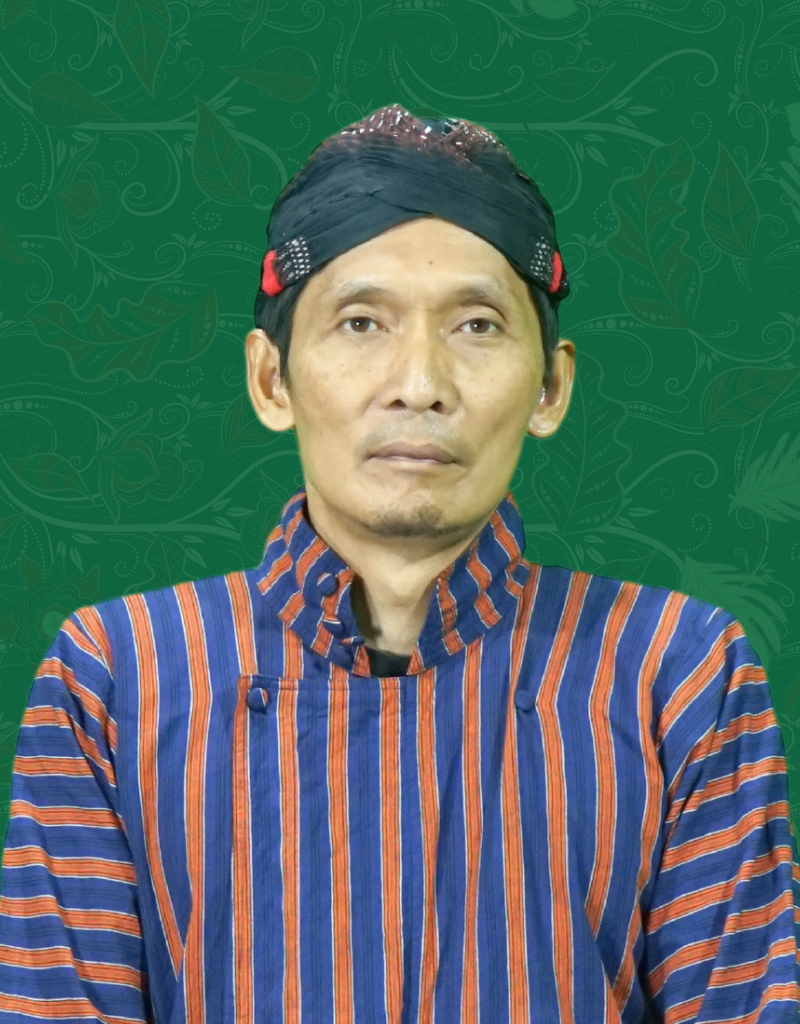
Head of the Educational Administration Department Greets You
Dean Image

Welcome,

to the Department of

Educational Administration,

UNY


At the beginning of its establishment, the S-1 Educational Management Study Program was named the Department of Educational Administration. Referring to the development trends in educational management worldwide, the Educational Management study program was proposed as a new study program under the auspices of the Educational Administration Department. Based on the letter from the Director of Academic and Student Affairs Facilities Development dated July 27, 2005, the Educational Management Study Program was officially established under the Educational Administration Department, Faculty of Education, Yogyakarta State University (UNY).

With the scientific vision of "developing educational management science that is inclusive and adaptive to global challenges," the Study Program aims to produce "educational institution managers who are devout, professional, rooted in Indonesian culture, and possess global competitiveness." This goal requires students to master the main learning outcomes, namely the ability to manage educational institutions, covering the dimensions of attitude, knowledge, and skills, and to master additional learning outcomes consisting of competencies in the fields of entrepreneurship, office administration, foreign language, information technology, marketing management, and community education management.

To support this, the study program implements the Merdeka curriculum, which prioritizes project-based learning, problem-based learning, and the case method, constantly developed by involving stakeholders such as: APMAPI (Educational Management Professionals Association), the Education Agency, Alumni, and graduate users. The implementation of learning in the study program is also supported by complete educational facilities developed adaptively according to student needs, which include: program coordinator and lecturer rooms, classrooms, an Educational Management laboratory, independent learning rooms, a library, a digital library, sports and health facilities, and a canteen.

The Study Program is also supported by 22 competent teaching staff, graduates from both national and international institutions, who possess relevant expertise. The teaching staff of the S-1 Educational Management Study Program are also committed to continuously improving quality through research and community service, both at national and international levels, and their results have been successfully published in various reputable international journals and accredited national journals.

The quality of the S-1 Educational Management Study Program has received recognition both nationally and internationally, evidenced by the 'A' rating from BAN PT (National Accreditation Board for Higher Education) in the last accreditation, and the achievement of ASIC accreditation (Accreditation Service for International Schools, Colleges and Universities) in 2020 with the predicate of premier institution. To maintain its quality, the Study Program continuously strives to keep up with global developments by strengthening partnerships with various institutions domestically and abroad. The S-1 Educational Management Study Program supports Yogyakarta State University to excel in achievement, and *leading in character education*.